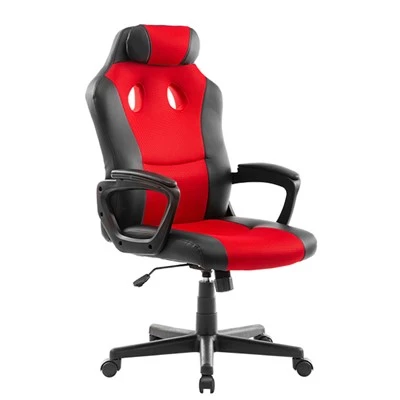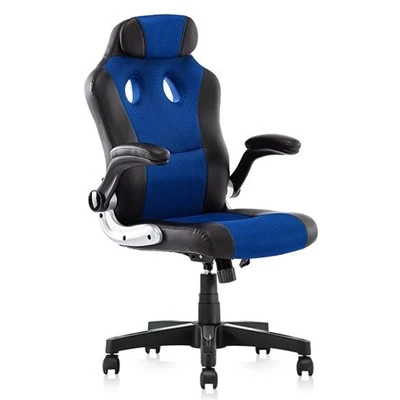
Mesh seat cushions on office chairs can sag after prolonged use.
Generally, mesh cushions are designed with durability in mind; however, under conditions of frequent, heavy use, the internal support structure may gradually deform, causing the cushion to sag. Actions such as sitting for extended periods while constantly shifting, standing up, and sitting back down exert continuous pressure on the cushion's elastic materials and support components. Furthermore, the likelihood of sagging varies depending on the quality of the mesh cushion. High-quality cushions-made with superior materials and robust support frames-tend to resist sagging for longer, whereas lower-quality ones may show noticeable sagging after a relatively short period. Environmental factors also play a role; exposure to adverse conditions, such as high temperatures or humidity, can accelerate the aging and sagging process of the mesh cushion.
First, usage frequency and intensity significantly impact mesh cushions. If a person sits in an office chair for long hours daily and frequently performs movements-such as repeatedly standing to retrieve documents or twisting their body while seated-the cushion is subjected to constant compression and stretching. Over time, internal support components like elastic fibers or springs lose their elasticity and fail to maintain their original shape, leading to sagging. For instance, office workers who spend over eight hours a day in their chairs and move frequently while working may notice significant sagging in their mesh cushions after just one or two years.
Second, the quality of mesh cushions varies widely. High-quality mesh cushions typically utilize high-strength fiber materials and feature sturdy, durable internal support frames. These materials withstand significant pressure and friction, maintaining good elasticity and shape stability. In contrast, lower-quality cushions often use weaker fibers and less robust support frames, making them more prone to sagging after a period of use. For example, mesh cushions on some budget-friendly office chairs may begin to sag after only six months to a year of use.
Finally, the usage environment cannot be overlooked. High-temperature environments can accelerate material aging and reduce elasticity, while humid conditions can cause materials to absorb moisture and deform, thereby compromising support performance. For instance, during a hot summer, if the office lacks adequate air conditioning and the chair is exposed to high temperatures for extended periods, the mesh cushion may sag more quickly. Similarly, in regions or environments with high humidity, the cushion is more prone to issues and may show noticeable sagging after just one to one-and-a-half years of use.