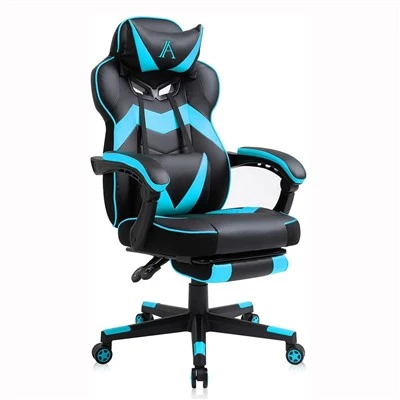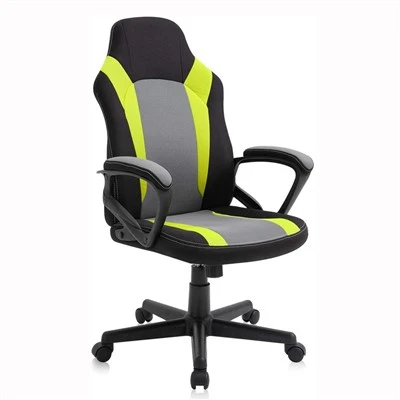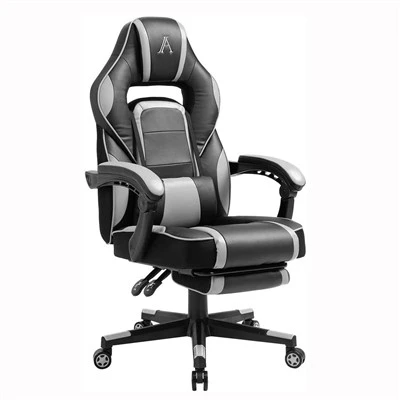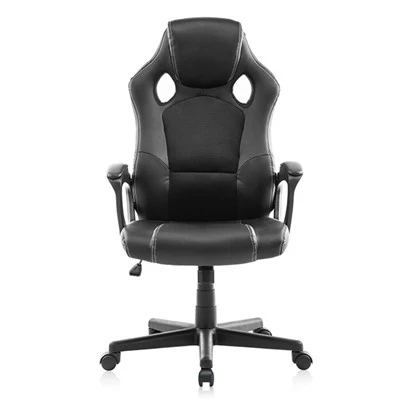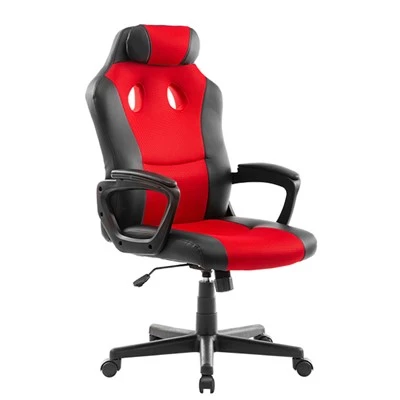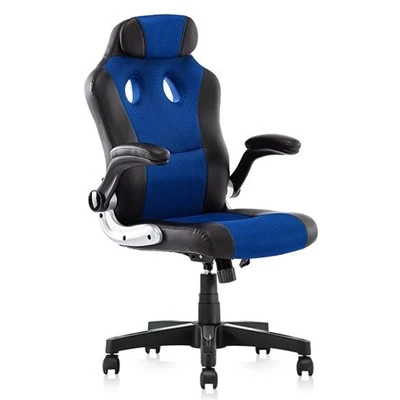
Practicality:
Practicality broadly refers to the fulfillment and evolution of people's daily needs. Modern furniture must not only be reliable, functional, and safe, but-more importantly-must satisfy requirements for utility and comfort. Whether designed for static or dynamic loads, furniture should incorporate ergonomic principles and address physiological and psychological needs. By establishing appropriate dimensions and spatial layouts, designers create an experience of maximum comfort, convenience, safety, and visual appeal for the consumer, ultimately achieving the goal of optimal practicality. The aesthetic appeal of modern furniture is perceived through visual and tactile senses, whereas its degree of practicality is validated through repeated use, physical interaction, and evaluation. A modern furniture designer can only achieve increasingly perfect designs through diligent exploration, long-term practice, and continuous reflection.
Artistry:
Modern furniture is no longer merely a simple consumer good; having evolved into a cultural phenomenon, it now serves as an art piece and decorative element that enhances the living environment-a new generation of products that seamlessly blend art with utility. It plays a pivotal role in shaping the artistic effect of interior décor and the cultural taste of the modern home. Consequently, modern furniture designers must approach the artistic aspects of furniture design from this elevated perspective. The design process inevitably requires the flexible application of principles from applied arts-such as achieving visual balance in form, ensuring harmonious and spirited lines, creating vivid and lifelike decorative patterns, and selecting stylish hardware accessories. Designers must continuously refine their expertise in applied arts to remain competitive amidst the fierce rivalry of an increasingly internationalized Chinese market. Without superior product design, capturing a significant market share is impossible.
Craftsmanship:
As previously mentioned, the technological sophistication of my country's furniture manufacturing industry has undergone profound changes. Furniture styles featuring diverse structural characteristics and craftsmanship appear frequently in various settings and marketplaces, each showcasing its own unique appeal. Panel furniture and solid wood furniture represent the most significant areas of development. The KD (Knock-Down) furniture that was widely promoted in the 1970s has evolved into today's RTA (Ready-to-Assemble) furniture, which meets advanced international standards. I can confidently assert that this new generation of panel-based furniture-characterized by modular construction and solid wood accents-will long hold a significant place in my country's furniture industry, playing a pivotal role in its future development.
As early as the 1995 annual meeting of the 'Furniture' magazine editorial board, renowned industry experts and scholars analyzed development trends in my country's domestic furniture sector. They articulated a clear vision for future product design and development, guided by the principles of "upscaling panel furniture, infusing solid wood furniture with artistry, giving modern furniture a fashion-forward appeal, and personalizing design approaches." Regardless of the merits of these specific arguments, one fact is indisputable: to remain competitive amidst the globalization of the domestic market, furniture enterprises are increasingly adopting design and production models characterized by greater product variety, smaller batch sizes, and shorter production cycles. To facilitate industrial-scale production while accommodating the unique technical requirements of these products, furniture designers are compelled to master the intricacies of production engineering alongside aesthetic design. Advanced technical equipment serves as the practical means to realize these designs; technological progress provides the reliability needed for complex manufacturing processes, while a designer's ingenuity and technical expertise can give rise to innovative forms. While traditional manufacturing treated technique and form as equally important, the modern furniture designer must be thoroughly versed in-and capable of utilizing-the advanced equipment and high-level craftsmanship found in today's furniture industry. Only by becoming multidisciplinary professionals who understand modern structural engineering and manufacturing technology can designers shoulder the significant responsibilities entrusted to them by the times.
Economic Efficiency: In modern furniture design, economic efficiency is a crucial factor that designers cannot overlook. This encompasses the broader implications of manufacturing design-including processing methods, material selection and composition, and the sequencing of production steps. A comparison between the "individual component cutting method" (processing parts one by one) and the "integrated component cutting method" (optimizing the layout of multiple parts) in panel furniture design reveals that the latter can reduce raw material waste by 8–10%. This encompasses, among other aspects, the selection and application of engineered wood products, as well as the application methods and cost-saving considerations regarding decorative surfacing materials. Notably, the target costing method-currently adopted by leading enterprises in China-incorporates these principles of cost-effective design.